
Oud fragrances: The Allure of Liquid Gold
Oud fragrances: The Allure of Liquid Gold
Oud fragrances stand as a testament to luxury, complexity, and ancient tradition in the world of perfumery. Often referred to as “liquid gold,” oud is one of the most revered and expensive ingredients, boasting a distinctive aroma that captivates and intrigues. This article delves into the fascinating realm of oud, exploring its origins, its unique scent profile, and its profound cultural significance. Ultimately, we will uncover why oud fragrances have garnered such a passionate following globally.
What are Oud Fragrances?
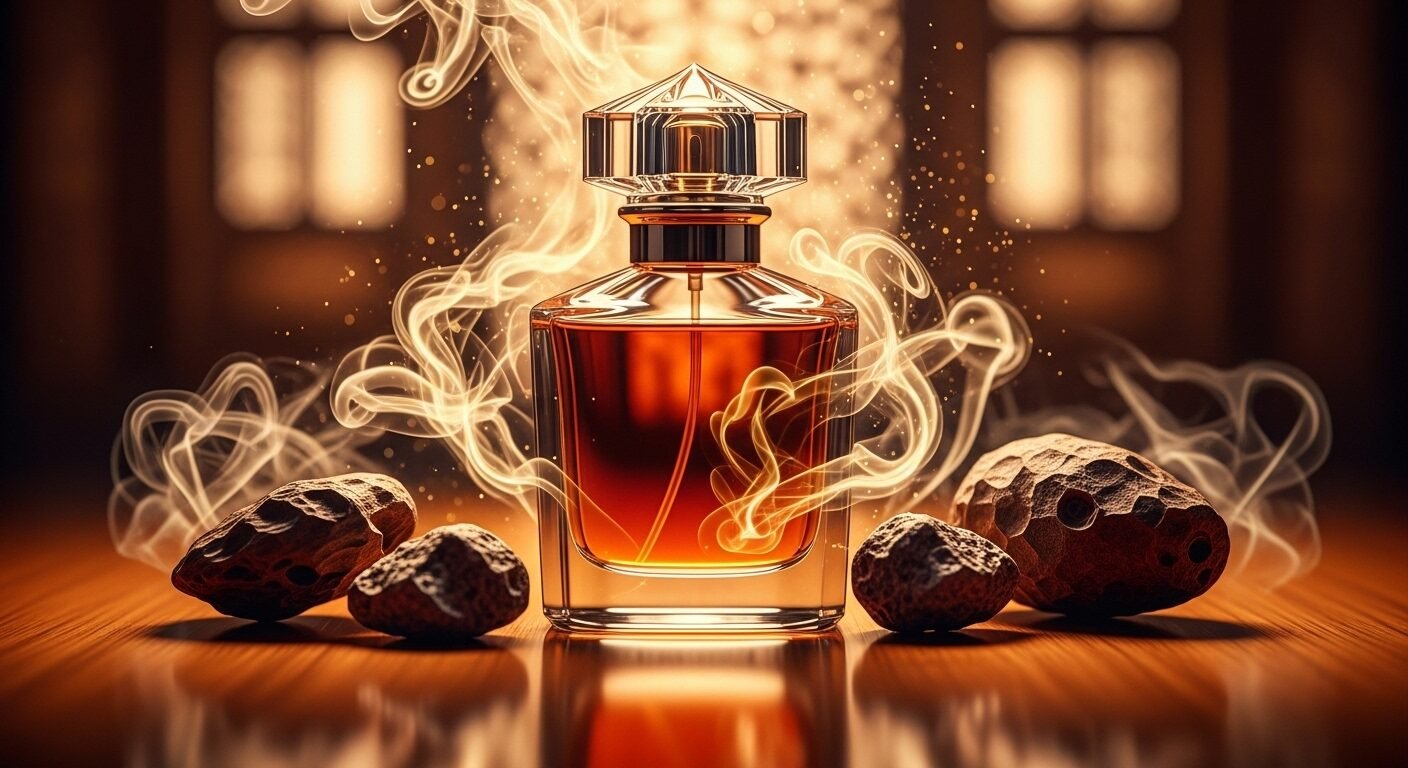
At its core, oud refers to the resinous heartwood of the Aquilaria tree. This highly prized material is produced when the tree becomes infected with a specific type of mold, Phialophora parasitica. Consequently, the tree reacts by producing a dark, aromatic resin to defend itself. This resin-infused wood is then harvested and distilled to extract the precious oud oil, which forms the basis of many luxurious oud fragrances.
The Origin of Oud
Oud primarily originates from Southeast Asia, particularly countries like Vietnam, Cambodia, Laos, Indonesia, and India. The Aquilaria tree, which is native to these regions, is a relatively fast-growing species. However, the formation of the resin is a slow and natural process, often taking many years, making genuine oud incredibly rare. Therefore, ethical sourcing and sustainable harvesting practices are crucial to protect these valuable trees.
The Scent Profile of Oud
The aroma of oud is remarkably complex and multifaceted, making it challenging to describe with a single term. Generally, it is characterized by a deep, woody, and animalic scent. Furthermore, it often carries notes of leather, smoke, honey, and sometimes even a subtle sweetness or balsamic quality. The specific scent can vary significantly depending on the tree’s species, geographical origin, age of the wood, and the extraction method. Consequently, each oud fragrance offers a unique olfactory journey, appealing to a wide range of preferences.
The Historical and Cultural Significance of Oud
The use of oud dates back thousands of years, deeply embedded in the cultural and spiritual practices of various civilizations. Its rich history underscores its enduring appeal and perceived value.
Ancient Roots
Historically, oud has been cherished across the Middle East, India, and Southeast Asia. Ancient texts, including the Sanskrit Vedas and the Bible, mention its use as incense, perfume, and traditional medicine. Moreover, it played a significant role in religious ceremonies, acting as an offering to deities and a means of purification. For example, in many Middle Eastern cultures, burning oud wood (known as bakhoor) is a common practice to perfume homes and clothes, symbolizing hospitality and prestige. Thus, its spiritual importance is undeniable.
Modern Revival
While oud has always been a staple in Eastern perfumery, its popularity surged in the Western world over the last two decades. Initially introduced by niche perfumers, oud fragrances quickly gained mainstream appeal. Today, numerous luxury brands incorporate oud into their collections, recognizing its unique ability to add depth, longevity, and an exotic touch to their creations. This global appreciation highlights its universal appeal.
The Art of Crafting Oud Fragrances
Creating an oud fragrance is a meticulous process that combines traditional techniques with modern perfumery artistry. Indeed, it requires skill and an understanding of how oud interacts with other aromatic components.
Sourcing and Extraction
The quality of the oud oil is paramount. High-grade oud wood is carefully selected, often by hand, before undergoing distillation. There are several methods, including steam distillation and hydro-distillation, each yielding slightly different scent profiles. The age of the wood also greatly influences the final product; older, more resinous wood typically produces a richer, more potent oil. Therefore, sourcing from reputable suppliers is crucial for perfumers.
Blending with Other Notes
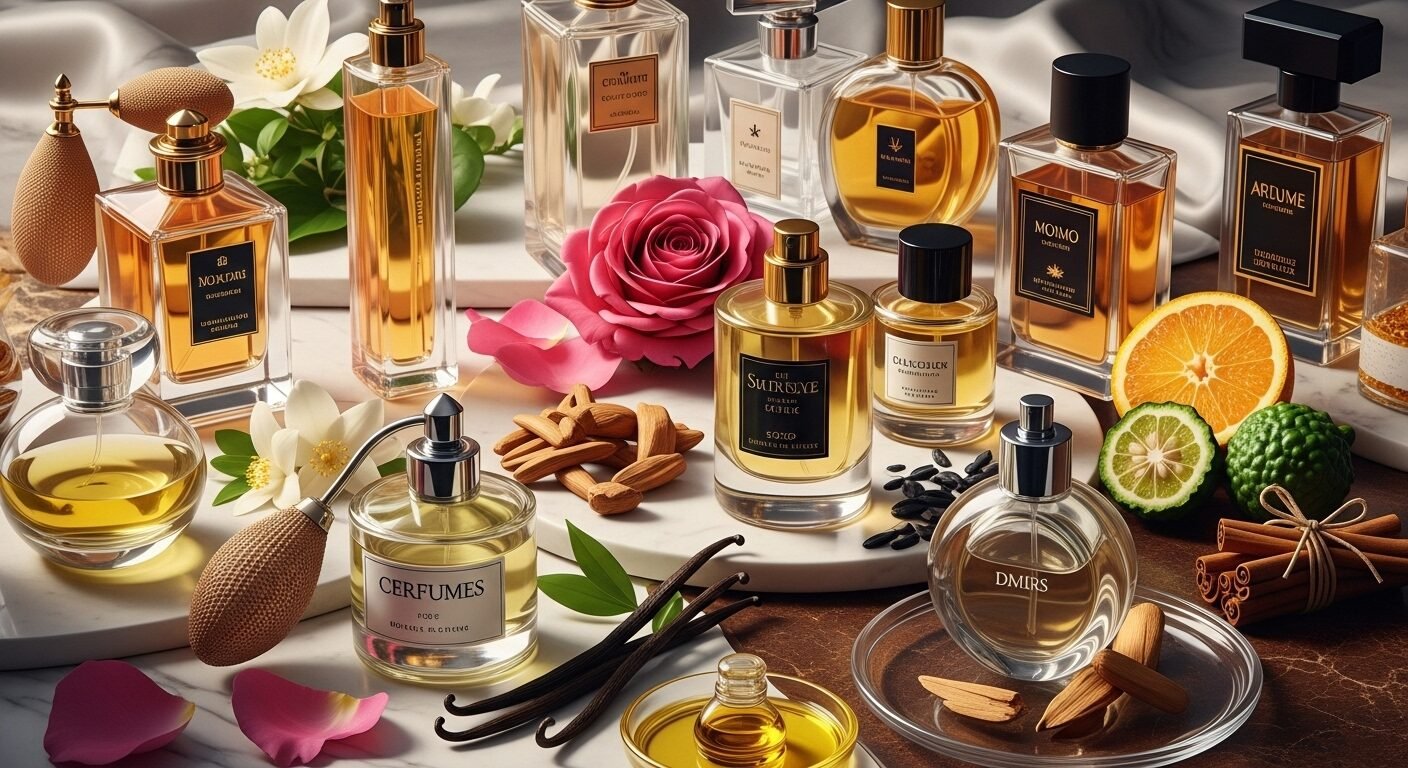
Oud’s powerful and distinctive character means it must be blended thoughtfully. Perfumers often pair it with notes that complement its richness without overpowering it. Common pairings include rose, saffron, amber, musk, sandalwood, and various spices. Rose, for instance, provides a beautiful contrast, softening oud’s intensity with its sweet, floral notes. Conversely, amber and musk can enhance oud’s warmth and longevity. The goal is to create a harmonious composition where oud remains the star, yet is beautifully supported by its accompanying notes.
Popular Oud Fragrance Types and Combinations
Due to its versatility, oud appears in a myriad of fragrance compositions, catering to diverse tastes. Different combinations highlight various facets of the oud aroma.
Woody and Resinous Ouds
These compositions emphasize oud’s natural depth and warmth. Often blended with cedarwood, sandalwood, patchouli, and frankincense, they create a grounding and earthy experience. Furthermore, notes of amber and myrrh can add a balsamic sweetness, enhancing the resinous quality. Such oud fragrances are often preferred by those who appreciate classic, robust scents.
Floral and Sweet Ouds
For a softer, more opulent take, oud is frequently combined with rich florals like rose, jasmine, or orange blossom. This pairing softens oud’s animalic edge, introducing a luxurious sweetness and elegance. Vanilla, honey, or gourmand notes can further sweeten the composition, making it more approachable for some. Consequently, these blends offer a sophisticated balance between power and prettiness.
Spicy and Leathery Ouds
To amplify oud’s intriguing complexity, perfumers often incorporate spices such as saffron, cardamom, or black pepper. These additions provide a vibrant, sometimes fiery, contrast. Additionally, leather notes can enhance oud’s raw, animalic facets, creating a bold, sophisticated, and often masculine impression. These types of oud fragrances are known for their strong character and longevity.
Choosing and Wearing Oud Fragrances
Selecting and applying oud fragrances effectively can enhance your personal style and leave a lasting impression.
Factors to Consider
When choosing an oud fragrance, consider its intensity and the specific notes it’s blended with. Some oud scents are very potent and best suited for evening wear or cooler weather. Others, however, might be lighter and more versatile. Moreover, personal preference plays a huge role; what smells exquisite on one person might not appeal to another. Therefore, sampling various oud fragrances is highly recommended before committing to a full bottle.
Application Tips
Given the strength and longevity of oud, a little goes a long way. Apply it sparingly to pulse points like wrists, neck, and behind the ears. This allows the fragrance to develop naturally with your body heat. Furthermore, avoid rubbing your wrists together, as this can break down the scent molecules. For a more subtle effect, you might spray it into the air and walk through the mist. Ultimately, proper application ensures the fragrance unfolds beautifully throughout the day.
The Investment in Luxury: Why Oud Commands a High Price
The premium price tag associated with oud fragrances reflects several factors. Primarily, the rarity of genuine oud oil is a major contributor. The natural infection process in Aquilaria trees is unpredictable and takes many years, making wild oud extremely scarce. Secondly, the labor-intensive harvesting and distillation processes add to the cost. Finally, the growing global demand, coupled with limited supply, further drives up prices. Despite the expense, many connoisseurs consider oud a worthwhile investment due to its unparalleled complexity, depth, and longevity.
Conclusion
Oud fragrances represent a unique and captivating facet of the perfumery world. From its mystical origins in the heartwood of the Aquilaria tree to its complex, multifaceted aroma, oud has rightfully earned its title as “liquid gold.” Its profound historical and cultural significance, coupled with the intricate artistry involved in its creation, underscores its enduring appeal. Whether you prefer woody, floral, spicy, or leathery compositions, there is an oud fragrance designed to resonate with you. Ultimately, embracing oud is not merely choosing a scent; it is an indulgence in a rich heritage and an experience of unparalleled olfactory luxury. Visit our Shop our contact us on Whatsapp.
Frequently Asked Questions (FAQ)
Q1: Why are Oud fragrances so expensive?
A1: Oud fragrances command high prices primarily due to the rarity of genuine oud oil. The resin forms only when the Aquilaria tree is infected by a specific mold, a process that is unpredictable and takes many years. Furthermore, the harvesting and distillation processes are labor-intensive, and global demand often outstrips the limited supply, all contributing to its premium cost.
Q2: What does Oud smell like?
A2: Oud has a complex and distinctive aroma. It is generally characterized by deep, woody, and animalic notes. Depending on its origin and blend, it can also feature facets of leather, smoke, honey, balsamic sweetness, or even subtle hints of spice and earth. Its scent is rich, powerful, and long-lasting.
Q3: Are Oud fragrances suitable for everyday wear?
A3: While some lighter oud blends are designed for versatility, many traditional oud fragrances are quite potent and best suited for special occasions, evening wear, or cooler weather. However, personal preference plays a significant role. If you enjoy a strong, long-lasting scent, you might find certain oud compositions perfectly suitable for daily use, perhaps applied more sparingly.

© 2025 Zarqaab Perfumes. All rights reserved. Design by UDM
